
Welcome to the vibrant world of Forever 21, where style meets affordability in a dazzling array of trends! As we navigate through an age driven by self-expression and individuality, this iconic brand is making waves once again, redefining what it means to look fabulous without breaking the bank. In a marketplace that often prioritizes high price tags over accessibility, Forever 21 stands out as a beacon for fashion-forward thinkers who believe that great style shouldn’t come at a cost. Join us as we explore how Forever 21 is captivating a new generation with its fresh designs, sustainable practices, and commitment to inclusivity—ensuring that everyone can embrace their unique flair while keeping their wallets happy. Get ready to dive into the revolution of affordable fashion!
Introduction to Forever 21 and its history
Forever 21 has become synonymous with affordable fashion, capturing the hearts of millions across the globe. Launched in 1984 in Los Angeles, this iconic retailer started as a modest boutique selling trendy apparel at unbeatable prices. Fast forward to today, and it’s hard to imagine a world where young shoppers don’t flock to its stores or scroll through its online offerings for their latest wardrobe updates. The brand has not only shaped personal styles but also influenced fashion trends worldwide. With an ever-evolving inventory that mirrors the pulse of contemporary culture, Forever 21 continues to embody the spirit of youthful exuberance and creativity. So how did it manage to carve out such a significant space in the competitive landscape of fast fashion? Let’s dive deeper into what makes Forever 21 a pivotal player reshaping affordable clothing for today’s generation.
The impact of Forever 21 on the fashion industry
Forever 21 has left a significant mark on the fashion landscape since its inception. By delivering trendy pieces at accessible prices, it opened doors for countless shoppers who sought style without breaking the bank. The brand pioneered the concept of fast fashion in a way that resonated with young consumers. It quickly translated runway trends into affordable clothing, making high-fashion looks attainable. This shift altered how retailers approached inventory and design. Traditional seasons expanded to almost year-round availability of new collections, keeping customers engaged and coming back for more. Moreover, Forever 21’s influence prompted other brands to rethink their pricing strategies. With a focus on affordability, it pushed competitors to offer styles that catered to budget-conscious shoppers while still maintaining an edge in trendiness. As a result, Forever 21 helped democratize fashion by making it inclusive—everyone deserved access to current styles regardless of their financial situation.
Affordable fashion for a new generation: How Forever 21 revolutionized the market
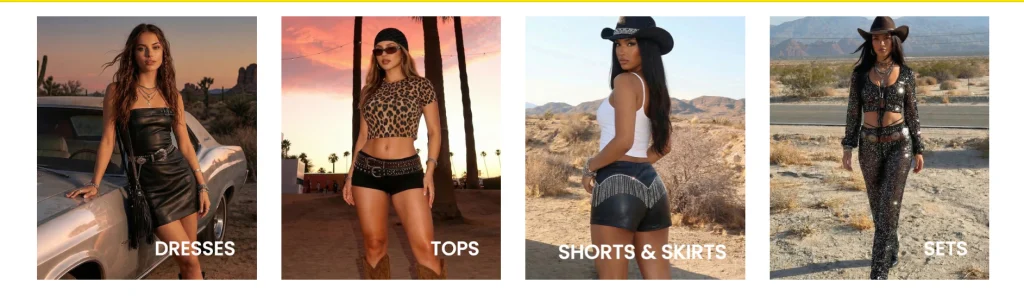
Forever 21 has changed the fashion landscape for young shoppers. The brand emerged in the late ’80s, tapping into a need for trendy yet affordable clothing. It quickly attracted attention with its fast turnaround of runway looks. The secret? An efficient supply chain that allows them to react swiftly to trends. Shoppers can find items inspired by high-fashion collections without breaking the bank. This democratization of style resonates deeply with millennials and Gen Z alike. Social media plays a crucial role too. Forever 21 leverages platforms like Instagram and TikTok to showcase its latest offerings, engaging directly with a younger audience hungry for fresh styles. By blending affordability with trendiness, Forever 21 has positioned itself as more than just another store; it’s a cultural phenomenon that speaks directly to today’s youth who crave expression through their wardrobe choices.
Fast fashion vs Sustainable fashion: Where does Forever 21 stand?
Forever 21 has long been synonymous with fast fashion. The brand thrives on quickly turning runway trends into affordable pieces for the masses. This rapid production cycle often raises eyebrows, especially as sustainability takes center stage in today’s discussions. The question remains: Can Forever 21 adapt to a growing demand for eco-friendly practices? Recently, the company has made strides toward incorporating more sustainable materials and ethical sourcing methods. However, critics argue that these efforts may not be enough to offset its larger environmental footprint. Shoppers increasingly seek transparency and responsibility from brands they support. While Forever 21 acknowledges this shift, balancing affordability with sustainability is a complex challenge. As consumers become more conscious of their choices, it will be interesting to see how Forever 21 navigates this evolving landscape without losing its essence as an accessible fashion provider.
The controversy surrounding Forever 21: Labor practices and environmental concerns
Forever 21 has often found itself at the center of controversy, particularly regarding labor practices. Reports have surfaced detailing poor working conditions in factories that produce their clothing. Workers frequently face long hours and low wages, raising ethical questions about the brand’s commitment to fair treatment. Environmental concerns also loom large over Forever 21’s operations. The fast fashion model inherently leads to massive waste, with unsold inventory often ending up in landfills. Critics argue that this approach contributes significantly to pollution and resource depletion. Sustainability is becoming more important for consumers today. As awareness grows, many are urging brands like Forever 21 to reconsider their impact on both workers and the planet. The challenge lies in balancing affordability with responsibility, a feat not easily achieved within the current framework of fast fashion.
How Forever 21 stays relevant in the ever-changing fashion landscape
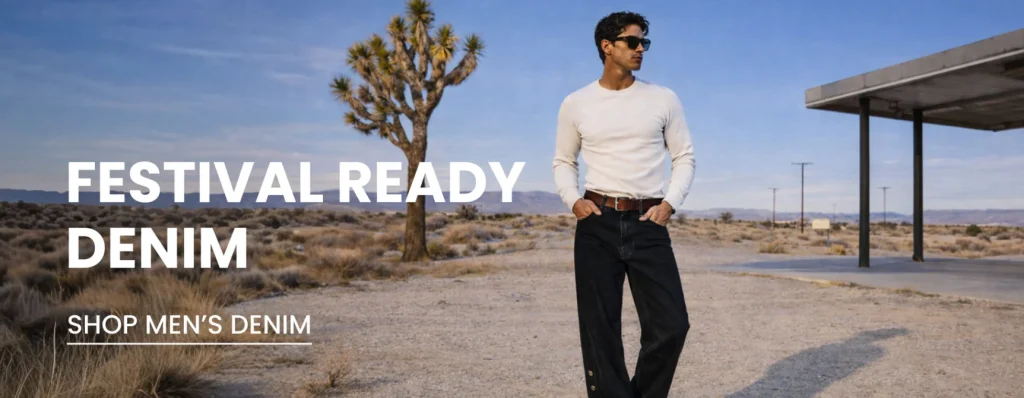
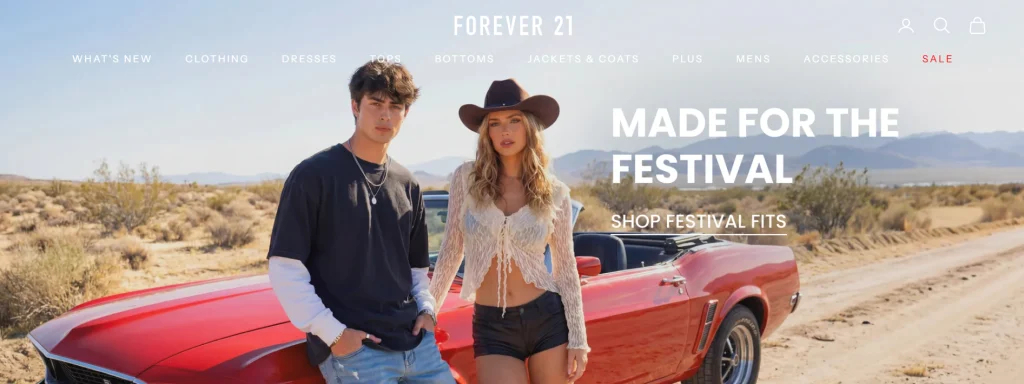
Forever 21 thrives in the fast-paced fashion world by embracing change and innovation. The brand continually adapts to emerging trends, often incorporating styles that resonate with younger audiences. This agility keeps them ahead of competitors. Social media plays a pivotal role in their strategy. By actively engaging on platforms like Instagram and TikTok, Forever 21 connects directly with its target demographic. User-generated content fosters a sense of community while showcasing diverse customer styles. Collaborations are another key element. Teaming up with influencers or pop culture icons allows Forever 21 to tap into new markets and attract fresh customers. These partnerships generate buzz and excitement around the brand. Moreover, they prioritize online shopping experiences, enhancing user interfaces for mobile devices. With seamless navigation and curated collections, customers find it easy to discover trendy pieces tailored just for them. All these strategies ensure that Forever 21 remains relevant amid shifting consumer preferences and an evolving fashion landscape.
The future of Forever 21: Expanding globally and online presence
Forever 21 is embarking on an ambitious journey to broaden its reach across the globe. The brand recognizes that fashion knows no borders, and it aims to attract diverse markets with unique styles. With a focus on online expansion, Forever 21 is enhancing its e-commerce platform. A user-friendly interface and localized shopping experiences will cater to customers in various regions. Social media remains a vital tool for engagement. By leveraging platforms like Instagram and TikTok, Forever 21 connects with younger audiences who crave trendy looks at affordable prices. The company’s strategy also includes collaborations with local influencers. These partnerships provide insights into regional preferences while amplifying brand visibility. As consumer habits shift towards digital-first interactions, Forever 21 seems poised not just to adapt but thrive in this evolving landscape of fashion retail.
Conclusion: Why Forever 21 continues to be a go-to brand for affordable fashion.
Forever 21 has cultivated a unique position in the fashion landscape. By embracing affordability, it has attracted a diverse customer base eager for trendy styles without breaking the bank. Its ability to quickly adapt to new trends keeps shoppers engaged and coming back for more. Despite facing challenges related to sustainability and labor practices, Forever 21 continues to evolve. The brand is increasingly aware of consumer expectations regarding ethical production and environmental responsibility. As it navigates these complexities, its commitment to providing accessible fashion remains strong. With expansion plans that include reaching customers globally and enhancing its online presence, Forever 21 shows no signs of slowing down. For many young shoppers today, it represents not just an option but a staple in their wardrobes—a place where style meets affordability seamlessly. As long as they keep innovating while addressing modern concerns, there’s little doubt that Forever 21 will maintain its status as a go-to destination for those seeking fashionable yet budget-friendly clothing choices.