
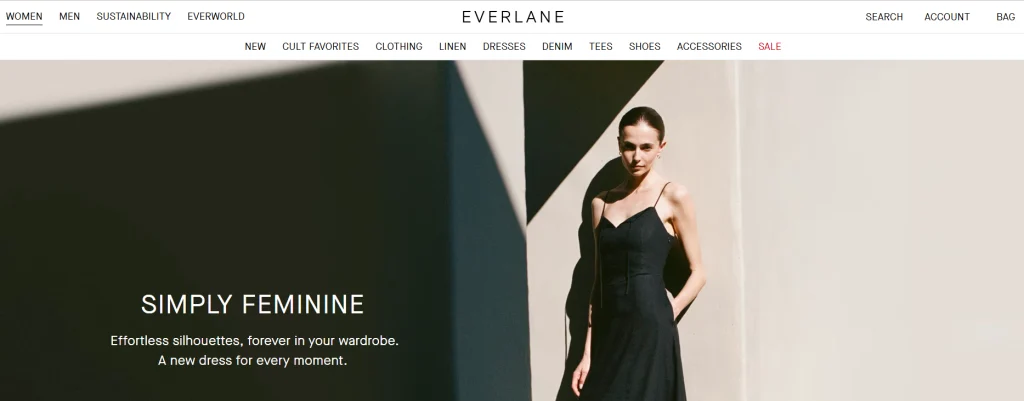
In a world where fast fashion often takes center stage, one brand is stepping into the spotlight with a bold promise: transparency. Meet Everlane, the game-changer shaking up the fashion industry by putting ethics and sustainability at the forefront of its mission. Gone are the days of hidden supply chains and questionable practices; Everlane’s commitment to radical transparency invites consumers on a journey that reveals every stitch and seam behind their favorite pieces. In this blog post, we’ll dive deep into how Everlane is not only redefining what it means to be fashionable but also encouraging us all to make more conscious choices in our wardrobes. Get ready to discover how this trailblazing company is leading the charge for change—one stylish item at a time!
Introduction to Everlane and its mission
In a world where fashion often prioritizes speed over sustainability, Everlane stands as a beacon of change. Founded in 2010, this innovative brand has redefined what it means to be stylish while holding firm to principles of transparency and ethics. With an unwavering commitment to responsible production, Everlane is not just selling clothes; it’s igniting a movement that challenges the very fabric of the industry. As consumers become more conscious about their choices, Everlane offers them an inspiring option: one that aligns with values rather than fleeting trends. Let’s dive into how this trailblazer is reshaping the landscape of modern fashion for good.
The Problem with Fast Fashion in the Fashion Industry
Fast fashion has transformed the clothing industry, but not for the better. It’s all about quick production and low costs, often at the expense of quality. This model encourages consumers to view clothes as disposable rather than valuable. Workers in developing countries bear the brunt of this system. They face long hours, minimal pay, and unsafe conditions. The pursuit of profit overshadows their well-being. Moreover, fast fashion contributes significantly to environmental degradation. Landfills overflow with discarded garments that take years to decompose. The relentless cycle fuels pollution from water usage to chemical runoff. Consumers are caught in a whirlwind of trends that change almost daily. This culture cultivates mindless consumption instead of thoughtful purchasing decisions—leading many away from sustainable practices and ethical considerations in their wardrobes.
How Everlane is Revolutionizing the Industry with Transparency and Ethics
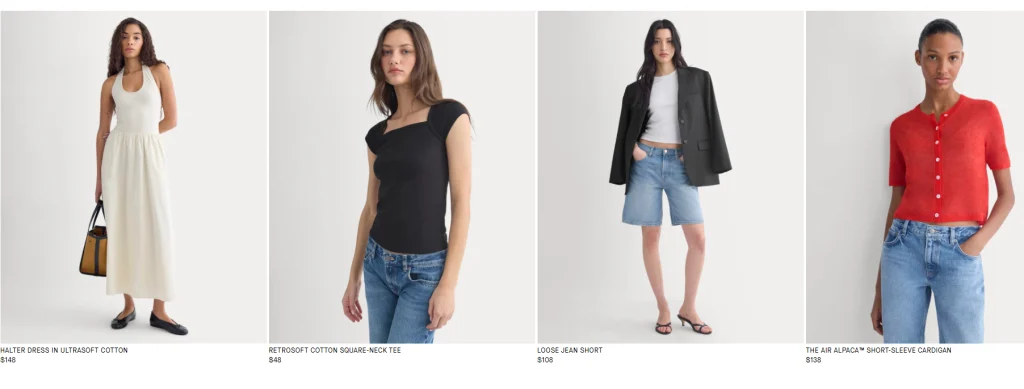
Everlane is reshaping the fashion landscape by prioritizing transparency in its operations. They disclose the true costs behind each product, revealing details about materials, labor, and markups. This honesty builds trust with consumers. Ethics are woven into Everlane’s brand ethos. The company partners with ethical factories that prioritize fair wages and safe working conditions. Each item reflects a commitment to responsible production. By providing extensive information on their supply chain, Everlane empowers customers to make informed choices. Shoppers appreciate knowing where their clothes come from and who made them. This approach not only sets a new standard for accountability but also encourages other brands to reconsider their practices. In an industry often clouded by secrecy, Everlane shines as a beacon of integrity and responsibility.
The Impact of Ethical Production on People and the Planet
Ethical production reshapes lives and communities. By prioritizing fair labor practices, brands like Everlane ensure workers receive just wages and safe working conditions. This commitment transforms the industry landscape. When companies invest in ethical sourcing, they empower artisans and factories alike. These efforts create jobs that uplift families, allowing them to build better futures for their children. Moreover, ethical production significantly benefits the planet. Sustainable materials reduce environmental harm while responsible manufacturing minimizes waste and pollution. The fashion industry can no longer ignore its ecological footprint—every step towards sustainability counts. Consumers increasingly demand transparency from brands as awareness grows about these issues. They want assurance that their purchases contribute positively rather than perpetuating harmful cycles of exploitation or environmental degradation. With every ethically made item purchased, shoppers are participating in a movement toward a more sustainable future where the well-being of people and the planet comes first.
Examples of Everlane’s Ethical Practices
Everlane sets itself apart with its commitment to ethical practices throughout its supply chain. One standout example is the brand’s “Radical Transparency” initiative. They disclose factory costs, labor rates, and markups on every product. This openness builds trust and allows customers to make informed choices. Their choice of materials also reflects a strong ethical stance. Everlane prioritizes sustainable fabrics like organic cotton and recycled polyester, minimizing environmental impact. Additionally, their partnerships with certified factories ensure fair wages and safe working conditions for workers. By sharing stories about these production facilities, Everlane humanizes the process behind each garment. The company frequently updates consumers on its progress toward sustainability goals—demonstrating accountability in real-time. These practices not only enhance brand loyalty but encourage broader industry change as well.
The Success of Everlane and Its Influence on Other Brands

Everlane’s success is more than just numbers; it’s a movement. With its commitment to transparency, the brand has captured the hearts of conscious consumers. Its clear pricing model and behind-the-scenes looks at production have set new industry standards. Other brands are taking notice. Many now strive for similar transparency, realizing that customers demand ethical practices alongside style. This shift in focus towards sustainability is reshaping the landscape of fashion. Brands like Reformation and Patagonia have adopted Everlane’s ethos, promoting eco-friendly materials and fair labor practices. The ripple effect continues. As Everlane leads by example, it inspires even larger companies to rethink their strategies. The conversation around ethics in fashion has shifted dramatically thanks to this innovative approach, proving that integrity can indeed drive profit while also doing good for the planet.
Challenges Faced by Everlane and How They Overcame Them
Everlane has tackled several challenges since its inception. One of the biggest hurdles was gaining consumer trust in an industry often criticized for opacity. The brand committed to radical transparency, openly sharing cost breakdowns and factory details. Supply chain issues also posed a significant challenge. Sourcing materials responsibly while maintaining quality is no easy feat. Everlane focused on establishing strong relationships with factories that prioritize ethical labor practices, ensuring workers are treated fairly. Moreover, sustainability is a continuous journey filled with obstacles. The brand faced scrutiny over environmental impacts associated with production processes. By investing in innovative materials and sustainable practices, Everlane aimed to lessen its footprint. Competition from fast fashion brands remains fierce. Yet, by emphasizing quality over quantity and offering timeless designs, Everlane carved out a niche that resonates with conscious consumers seeking alternatives to fleeting trends.
Conclusion: The Future of Sustainable Fashion with Brands like Everlane Leading the Way
The fashion industry is at a crossroads. As consumers become increasingly aware of the environmental and social implications of their clothing choices, brands like Everlane are paving the way for a more sustainable future. By championing transparency and ethical practices, Everlane encourages shoppers to consider not just what they wear, but how it’s made. The ripple effect from Everlane’s commitment to ethical production has already influenced numerous other brands. Many are beginning to adopt similar principles in response to consumer demand for accountability. This shift signals an exciting transformation within the fashion landscape. As we look ahead, it’s clear that sustainability will become even more integral to our purchasing decisions. The success of companies prioritizing ethics showcases a growing market for conscious consumption. With leaders like Everlane setting high standards, there’s hope that the entire industry can follow suit toward a brighter, more responsible future—one where style doesn’t come at such a high cost to people or the planet.