Finding clothing that feels comfortable while aligning with your environmental values can be challenging. Many brands advertise organic fabrics or eco-friendly materials, but shoppers still need to understand what a company actually uses, how its products are made, and whether the higher price is justified.
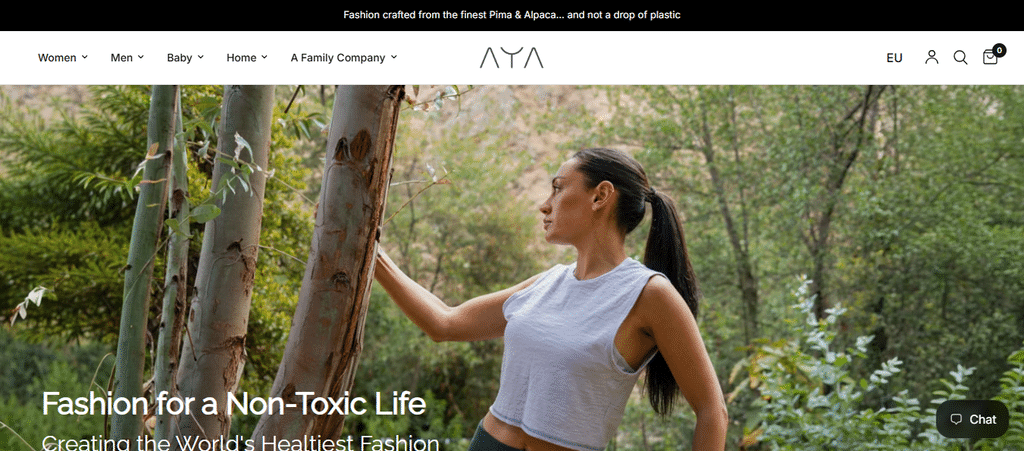
AYA Sustainable Fashion, available at ecoaya.com, focuses on clothing made from organic Pima cotton and alpaca fibers. The brand emphasizes plastic-free construction, natural materials, and a supply chain centered in Peru. Its catalog includes apparel for men, women, and babies, along with selected home and lifestyle products.
In this AYA Sustainable Fashion review, we look at the brand’s materials, product range, sustainability claims, prices, and practical considerations before buying. We also distinguish the company’s stated environmental commitments from claims that would require independent verification.
What Is AYA Sustainable Fashion?
AYA Sustainable Fashion is a clothing and lifestyle brand that positions itself around natural fibers and reducing the use of plastic and petroleum-derived materials in apparel.
The company describes itself as a family business and manufacturer with production based in Peru. Its stated approach is to manage more of the clothing process, from fiber and fabric production through cutting and garment making, rather than relying entirely on separate manufacturers in different countries.
AYA’s central idea is that clothing can be made using natural fibers and materials while reducing reliance on synthetic fabrics, plastic components, and certain chemical finishes. This focus distinguishes it from mainstream clothing brands that commonly use polyester, nylon, elastane, and blended materials.
The brand’s environmental claims are ambitious. AYA says it has removed plastics from its products and is continuing to work toward eliminating more petroleum-derived chemicals. These are company-reported commitments, so shoppers who need independently verified environmental credentials should examine the specific product information and supporting certifications.
AYA Clothing and Product Range
1. Organic Pima Cotton Clothing
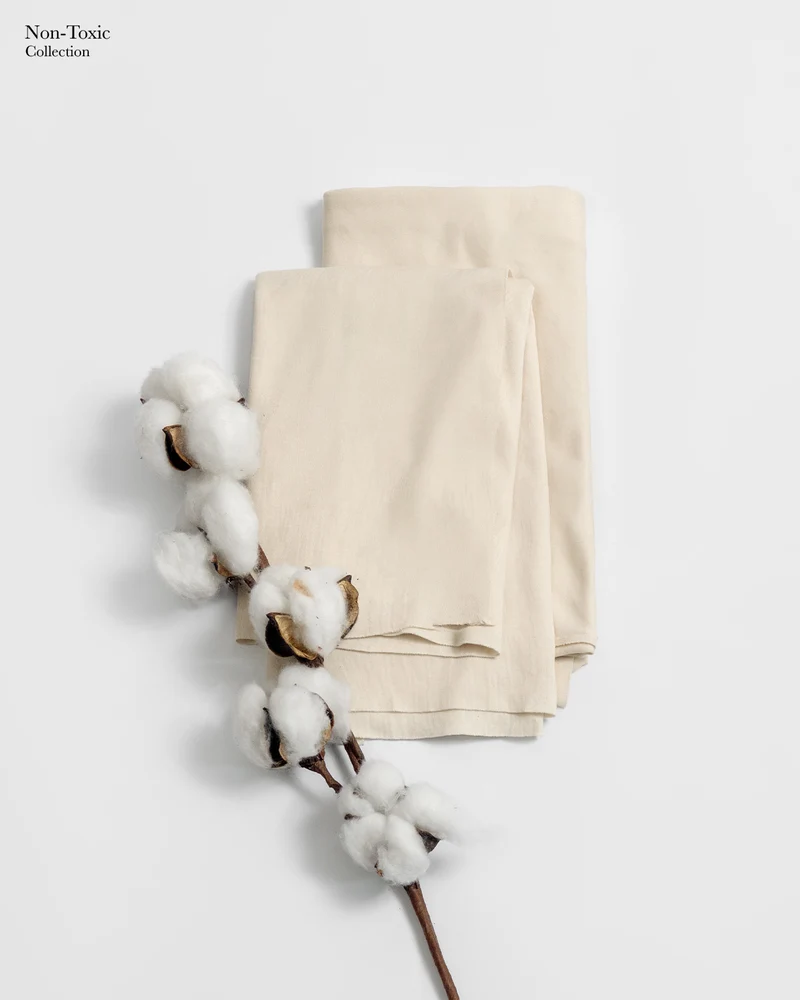
Organic Pima cotton is one of AYA’s main materials. The brand uses it in products such as T-shirts, shirts, underwear, tank tops, and other everyday garments.
Pima cotton is valued for its long fibers, which can contribute to a smooth fabric feel. AYA emphasizes the softness and quality of its cotton clothing, making these products relevant to shoppers who prefer natural-fiber basics over synthetic blends.
The range includes clothing for men and women, with styles intended for everyday wear. Some items are designed as simple wardrobe essentials, while others have more distinctive cuts or finishes.
Organic fiber alone does not determine the quality of a finished garment. Fabric weight, construction, fit, dyeing, and care requirements also matter. Before purchasing, check the product’s fiber composition and washing instructions rather than relying only on the general material description.
2. Alpaca Wool Clothing
AYA also offers clothing made with alpaca fibers, including sweaters and thermal-style garments. Alpaca is a natural animal fiber commonly used in knitwear and cold-weather clothing.
The brand highlights the softness of its alpaca material and says its fibers are sourced from Andean communities. Alpaca garments may appeal to shoppers looking for natural alternatives to synthetic sweaters or fleece-style clothing.
However, alpaca products require attention to care and fit. Depending on the construction, a garment may need gentle washing or other specific treatment to preserve its shape and texture. Read the individual product’s care instructions before purchasing.
3. Baby Clothing
AYA’s catalog includes baby clothing such as tops, dresses, bottoms, bodysuits, and rompers. These products are intended for parents who prefer natural-fiber clothing for babies and young children.
When choosing baby clothing, material composition is only one factor. Parents should also consider the garment’s fit, seams, fasteners, washing requirements, and whether the product is appropriate for the child’s age and use.
AYA’s plastic-free positioning may interest shoppers looking to avoid synthetic fibers in clothing, but it should not be interpreted as a guarantee that a product is suitable for every child or skin sensitivity. Check the specific item and its construction.
4. Home and Lifestyle Products
Beyond clothing, AYA lists selected home and lifestyle products, including personal care, wood craft, ceramic dinnerware, and accessories such as leather wallets.
This broader range may appeal to shoppers who want to explore natural-material products beyond apparel. These items have different material and manufacturing considerations, so the brand’s clothing claims should not automatically be applied to every home product.
AYA Sustainability: What Does the Brand Claim?
Sustainability is the main reason many shoppers may consider AYA. The company describes several practices and goals on its website, including the use of natural fibers, reduced plastic components, and production in Peru.
Plastic-Free Construction
AYA says it has removed plastics from its products, including synthetic fibers and certain components such as threads, labels, elastic bands, and other garment details. It presents this as a way to reduce the release of plastic microfibers associated with synthetic textiles.
That is a significant claim, and it is worth checking the exact product composition. A garment may use natural fabric while still containing synthetic thread, elastic, or other components. AYA’s stated plastic-free approach is intended to address those details, but shoppers should verify the composition of the item they are buying.
Organic Pima Cotton and Natural Fibers
The brand says its Pima cotton is organic and grown using regenerative practices. It also highlights alpaca fibers and natural dyes as part of its materials approach.
These materials can be attractive to people who prefer natural fibers. However, terms such as organic, regenerative, and natural are not interchangeable. If certification matters to you, look for the name of the certifying organization, the certification scope, and whether it applies to the specific product or only part of the supply chain.
Manufacturing in Peru
AYA says its production processes, from spinning and knitting through fabric finishing and garment making, are carried out in Peru. The company describes this single-origin manufacturing model as a way to improve oversight and transparency.
Manufacturing in one country may make it easier for a company to coordinate production, but it does not automatically prove that a garment has a lower environmental impact. Energy use, water consumption, dyeing, transport, labor conditions, and product longevity also matter.
AYA’s sustainability page acknowledges that its approach is still developing. The company says it continues to work toward reducing petroleum-derived chemicals in areas such as dyes and fabric softeners. This qualification is important: the brand’s plastic-free positioning should not be confused with a claim that every product and process is already entirely free of petrochemicals.
AYA Clothing Quality and Comfort
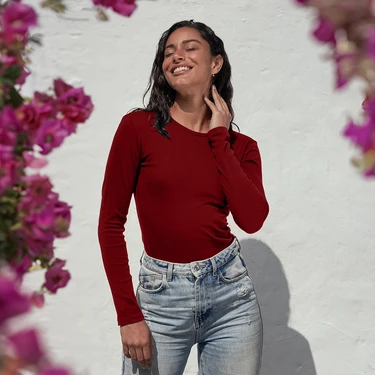
AYA’s material choices are designed to appeal to people who value the feel of natural fibers. Pima cotton is commonly associated with a smooth texture, while alpaca fibers are used in knitwear for softness and warmth.
The brand also emphasizes simple, versatile clothing that can be used as everyday wardrobe essentials. T-shirts, underwear, shirts, and sweaters are the kinds of products where fabric feel, fit, and care requirements can make a meaningful difference to the shopping experience.
However, the quality of a particular item cannot be established from the material name alone. The final garment’s stitching, cut, fabric weight, shrinkage, and durability after washing all matter. It is best to look at product-specific details and recent customer feedback before buying.
Because AYA uses natural fibers and avoids some synthetic blends, certain garments may have less stretch than clothing containing elastane. This can affect fit and movement, especially in underwear, leggings, and close-fitting styles. Check the measurements and product description carefully if you prefer a stretchy fit.
AYA Pricing: Is It Expensive?
AYA is positioned as a premium natural-fiber clothing brand rather than a low-cost basics retailer. Its product prices reflect its use of organic Pima cotton, alpaca fibers, and its stated manufacturing approach.
At the time of checking the official website, examples of listed prices included:
- Men’s organic Pima cotton T-shirt: from $48
- Women’s organic Pima cotton long-sleeve shirt: from $54
- Men’s organic Pima cotton boxer briefs: from $32
- Men’s organic Pima cotton chino shorts: $90
- Women’s alpaca thermal leggings: $225
These are examples from the brand’s product listings, not guaranteed current prices. Product options, promotions, and regional pricing can change.
The price may be easier to justify if you specifically want natural-fiber clothing with the brand’s material and manufacturing approach. If your main goal is inexpensive everyday basics, conventional cotton or blended garments from other retailers may cost less.
For international shoppers, including customers in India, check the final checkout amount. Shipping, currency conversion, duties, and taxes can make the delivered cost different from the displayed product price.
Shipping, Returns, and Customer Support
Before ordering from AYA, review the current shipping and return policies for your destination. International orders may have different delivery estimates, shipping charges, and customs requirements from domestic orders.
For clothing purchases, return conditions are especially important because fit and fabric feel can be difficult to judge online. Check whether the item must be unused, whether tags must remain attached, how long you have to request a return, and who pays return shipping.
AYA lists customer support through its contact page and provides an email address for inquiries. If you have a question about fiber composition, sizing, certification, or delivery, it is sensible to ask before placing an order.
Keep your order confirmation and any communication about returns or product specifications until the purchase is complete.
AYA Sustainable Fashion Pros and Cons
Pros
- Offers clothing made primarily from organic Pima cotton and alpaca fibers.
- Has a stated focus on reducing plastics and synthetic materials in garments.
- Provides clothing options for men, women, and babies.
- Describes a manufacturing model centered in Peru.
- Offers natural-fiber alternatives to some synthetic clothing basics.
- Provides material and sustainability information on its website.
Cons
- Prices are higher than many conventional clothing basics.
- Natural fibers may offer less stretch than synthetic blends.
- Sustainability claims are largely brand-reported and should be checked for independent certification.
- International shipping and import costs may increase the final price.
- Product-specific fit, durability, and care requirements still need consideration.
Who Should Buy AYA Sustainable Fashion?
AYA may be worth considering if you:
- Prefer natural fibers such as organic cotton and alpaca.
- Want to avoid synthetic fabrics or plastic components in clothing.
- Are interested in material sourcing and manufacturing transparency.
- Are comfortable paying more for a specific fiber or production approach.
- Have checked the product’s measurements, care instructions, and shipping terms.
You may want to compare other brands if you:
- Need inexpensive everyday clothing.
- Prefer garments with significant stretch or synthetic performance features.
- Require independently certified sustainability standards for every item.
- Want to try clothing in person before buying.
Final Verdict: Is AYA Sustainable Fashion Worth It?
AYA Sustainable Fashion is an interesting option for shoppers who want clothing made from natural fibers and who care about the materials and manufacturing process behind their purchases. Its focus on Pima cotton, alpaca, and reducing plastic components gives it a clear identity compared with conventional clothing retailers.
The main trade-offs are price, fit, and the need to evaluate sustainability claims carefully. The company’s stated goals are promising, but shoppers should distinguish between what the brand says it has achieved, what remains in progress, and what is independently certified.
Our verdict: AYA is worth exploring if natural-fiber clothing and material transparency are priorities for you. Before buying, check the exact garment composition, sizing, care instructions, and delivered cost. For shoppers focused primarily on price or performance stretch, other clothing brands may offer better value.