When you think of Nike, what comes to mind? For many, it’s the iconic Swoosh symbol or memories of breaking personal records on the track. But today, this global powerhouse has transcended its athletic roots to become a staple in fashion and culture. In this blog post, we’ll take you on a journey through time—exploring how Nike transformed from humble beginnings into a trendsetting titan that shapes not only our workouts but also our wardrobes. Get ready to lace up as we dive deep into the fascinating evolution of Nike: where performance meets style and sport becomes synonymous with self-expression!
Introduction to Nike’s History and Brand Evolution
Nike is more than just a brand; it’s an emblem of innovation and style that has transformed the landscape of athletic wear. From its humble beginnings in the 1960s to becoming a global fashion powerhouse, the story of Nike is one of vision, creativity, and relentless evolution. Behind every swoosh lies a narrative filled with ambition and iconic moments that have shaped not only sports but also pop culture at large. As we delve into this fascinating journey, we’ll explore how Nike transitioned from making running shoes for serious athletes to setting trends on runways and city streets alike. Join us as we trace the path of this legendary brand through decades marked by groundbreaking designs and cultural shifts.
1960s-1980s: The Early Years of Nike as an Athletic Wear Company
Nike’s journey began in the late 1960s, founded by Phil Knight and Bill Bowerman. Their shared vision transformed a simple idea into an iconic brand. The duo aimed to create high-quality running shoes that would support athletes on their journeys. Initially, Nike focused solely on performance footwear. Each pair was designed with runners in mind, featuring innovative technology to enhance comfort and speed. The shoes quickly gained popularity among serious athletes. The introduction of the Swoosh logo marked a turning point for the company. This symbol became synonymous with excellence and athleticism, capturing attention beyond just sports. Celebrity endorsements played a crucial role during this era as well. Athletes like Steve Prefontaine brought visibility to the brand, elevating its status within competitive circles while laying groundwork for future partnerships that would redefine marketing in sportswear.
– Founding of Nike by Phil Knight and Bill Bowerman
In 1964, Phil Knight and Bill Bowerman joined forces with a shared vision. They aimed to create better footwear for athletes. This partnership marked the birth of Blue Ribbon Sports, which later transformed into Nike. Phil was a graduate student at Stanford, while Bill was a coach at the University of Oregon. Their backgrounds in business and athletics laid a strong foundation for what would come next. Early on, they focused on importing high-quality running shoes from Japan. Bowerman’s relentless pursuit of improvement led him to innovate designs that enhanced performance. He famously experimented with waffle irons to create better traction on his shoe soles. This ingenuity set them apart in an emerging market hungry for innovation. Nike’s promise began taking shape through hard work and passion—a commitment that resonated deeply within the sports community.
Initial focus on running shoes
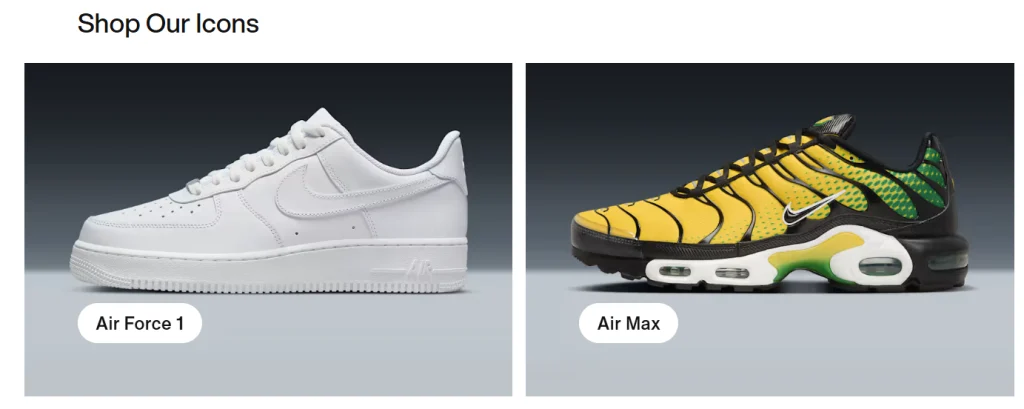
Nike’s journey began with a singular vision: to create the ultimate running shoe. The brand was born in 1964, initially known as Blue Ribbon Sports. Phil Knight and Bill Bowerman set out to revolutionize athletic footwear. Bowerman, a track coach, sought inspiration from innovative designs. He famously crafted the first prototype using his wife’s waffle iron, resulting in an iconic sole that offered grip and comfort. The focus on runners resonated deeply with athletes seeking performance and support. Early models like the Cortez became staples for both competitors and casual joggers alike. This dedication to runners laid the groundwork for what Nike would become. It wasn’t just about selling shoes; it was about enhancing athletic performance through innovation and style. As word spread, Nike quickly transitioned from a niche player to a household name among sports enthusiasts everywhere.
First celebrity endorsements and iconic branding
Nike’s ascent to fame was bolstered by strategic celebrity endorsements that transformed the brand into a household name. From its early days, athletes like Steve Prefontaine and later, legends such as Michael Jordan, became synonymous with Nike’s identity. The iconic “swoosh” logo played a crucial role in establishing recognition. It was simple yet powerful—a representation of speed and movement that resonated deeply with sports enthusiasts. As celebrities donned Nike gear, it blurred the lines between athletics and lifestyle. The combination of performance-driven products and star power created an allure that attracted not just athletes but fashion-forward individuals too. This synergy paved the way for innovative advertising campaigns that celebrated both sport and culture. Each endorsement brought new energy, allowing Nike to craft a narrative beyond mere footwear or apparel—one rooted in aspiration and success.
1990s-2000s: Nike’s Expansion into Fashion and Pop Culture
The 1990s marked a pivotal shift for Nike. The brand transformed from a pure athletic wear company into a fashion powerhouse. During this era, lifestyle apparel emerged as a prominent category within their offerings. Suddenly, joggers and tees weren’t just for workouts; they became everyday staples. Collaborations with renowned designers began to blur the lines between sport and style. These partnerships brought fresh perspectives that resonated with new audiences. Sponsorship deals exploded during this time too. Nike aligned itself with iconic athletes like Michael Jordan and cultural icons like Britney Spears, creating unforgettable campaigns. Streetwear culture found its footing in these years, and Nike was at the forefront of it all. Sneakers evolved from mere performance gear to symbols of status and self-expression in urban communities worldwide.
Introduction of lifestyle apparel and collaborations with fashion designers
In the late 1990s, Nike began to shift its focus beyond pure athletic wear. The introduction of lifestyle apparel marked a significant change in their approach. Suddenly, sportswear wasn’t just for athletes; it became a staple in everyday wardrobes. Collaborations with high-profile fashion designers took center stage during this era. Renowned names like Comme des Garçons and Off-White infused fresh creativity into Nike’s collections. These partnerships blurred the lines between sport and style, making sneakers desirable on runways as well as courts. The brand embraced street culture wholeheartedly. With limited edition releases and bold designs, they tapped into urban aesthetics that resonated with younger audiences. This move not only elevated Nike’s status but also showcased how athletic brands could thrive within trendy circles. Nike transformed from a brand known solely for performance gear to one synonymous with cutting-edge fashion innovation.
Sponsorship deals with popular athletes, musicians, and celebrities
Nike’s rise to fame was amplified through strategic sponsorships. The brand understood the power of celebrity influence early on, partnering with athletes who embodied excellence and style. From Michael Jordan’s iconic Air Jordans to Serena Williams’ powerful presence on and off the court, these endorsements transformed Nike into a lifestyle choice. Each partnership brought authenticity, showcasing not just athletic prowess but also cultural significance. Musicians have joined the mix as well. Collaborations with stars like Travis Scott and Rihanna blended sport with music, creating buzz beyond traditional advertising. These figures transcended their fields, making Nike synonymous with contemporary culture. The synergy between Nike and its ambassadors has consistently pushed boundaries. It’s more than just shoes or apparel; it’s about identity and aspiration that resonates deeply within communities worldwide.
Influence on streetwear culture
Nike has profoundly impacted streetwear culture, transforming athletic gear into a must-have fashion staple. The brand’s iconic Swoosh logo is now synonymous with coolness and style. Collaborations with designers like Off-White’s Virgil Abloh have blurred the lines between sport and high fashion. Limited-edition releases generate immense hype, often selling out within minutes. Streetwear enthusiasts eagerly await new drops. Sneakers have become status symbols, adorned by trendsetters worldwide. Nike’s designs cater to both performance and aesthetic desires, making them ideal for everyday wear. The blend of comfort and style has redefined casual dressing. Athletes are not just sports figures anymore; they are cultural icons influencing trends everywhere. Whether it’s oversized hoodies or sleek sneakers, Nike continues to define what it means to dress down while still looking sharp in urban settings.
2010s-Present: Nike’s Continued Dominance in the Fashion Industry
Since the 2010s, Nike has transformed its approach to design and marketing. The brand embraces cutting-edge technology. This includes smart shoes that track performance and innovative materials for enhanced comfort. Nike’s adaptability is evident in their collaborations with renowned designers like Off-White’s Virgil Abloh. These partnerships blur the lines between sport and high fashion, making sneakers a must-have accessory. The brand also taps into social media trends, engaging directly with consumers through platforms like Instagram. Influencers showcase Nike products in everyday settings, elevating them beyond just athletic wear. Sustainability has become a cornerstone of Nike’s strategy as well. Initiatives focused on eco-friendly materials appeal to environmentally conscious shoppers while reinforcing its commitment to innovation. By merging functionality with style, Nike remains at the forefront of both athletics and fashion culture today.
Use of technology in design and marketing
Nike has always been at the forefront of innovation. The brand seamlessly integrates technology into both design and marketing strategies. From advanced materials to digital customization, Nike ensures that performance meets style. Shoes like the self-lacing Adapt series showcase their commitment to cutting-edge tech. On the marketing side, they utilize data analytics to understand consumer behavior deeply. This approach allows them to create targeted campaigns that resonate with audiences on a personal level. Social media also plays a crucial role in Nike’s strategy. Engaging content, influencer partnerships, and interactive experiences keep fans connected and excited about new releases. Moreover, augmented reality (AR) apps let customers try on shoes virtually before making a purchase. This blend of technology not only enhances user experience but solidifies Nike’s position as an industry leader in both athletic wear and fashion trends alike.
Embracing
the power of social media and digital marketing has transformed how Nike connects with consumers. The brand uses platforms like Instagram, TikTok, and Twitter to engage audiences directly. Through innovative campaigns that encourage user interaction, Nike fosters a sense of community among its fans. Sustainability has also become a key focus for the company in recent years. Initiatives such as recycled materials in footwear and eco-friendly packaging show that Nike is committed to reducing its environmental impact while remaining stylish. Collaborations continue to shape Nike’s identity within fashion circles. Partnerships with high-profile designers have resulted in limited-edition collections that blur the lines between athletic wear and luxury fashion. These collaborations push boundaries while giving consumers more reasons to embrace the brand beyond just sports. Nike’s ability to adapt is what sets it apart from competitors. By staying ahead of trends and listening to consumer feedback, they ensure their offerings resonate across various demographics—from athletes seeking performance gear to fashion enthusiasts looking for statement pieces. As we look forward, it’s clear that Nike will maintain its influential presence within both athletic wear and street style culture. This evolution proves that innovation isn’t just about technology; it’s about understanding people’s lives—whether on the track or on the streets—and meeting them where they are.