

In a world where healthcare can often feel impersonal and disconnected, Novartis is turning the tide with groundbreaking patient-centric approaches that prioritize individual needs and experiences. Imagine a healthcare landscape where treatments are tailored not just to diseases but to the unique stories of each patient—a vision that’s rapidly becoming reality thanks to innovative strategies from one of the industry’s leaders. In this blog post, we’ll explore how Novartis is transforming treatment experiences by putting patients at the forefront of their mission, revolutionizing everything from drug development to ongoing support. Join us as we delve into inspiring initiatives and success stories that highlight the power of empathy in medicine—because when patients come first, everyone wins!
Introduction to Novartis and their patient-centric approach
In the rapidly evolving landscape of healthcare, patient needs and experiences are taking center stage. Novartis, a leader in the pharmaceutical industry, recognizes that effective treatment goes beyond just medications—it’s about understanding patients as individuals. This commitment to a patient-centric approach is reshaping how treatments are developed and delivered, ensuring that every voice is heard. Imagine walking into a doctor’s office where your preferences matter just as much as clinical data. For Novartis, this vision is becoming reality. By placing patients at the heart of their strategies, they’re not only changing lives but also setting new standards for what it means to provide care. Let’s dive deeper into how this approach transforms treatment experiences and creates lasting impacts for both patients and healthcare providers alike.
The importance of patient-centered care in the healthcare industry
Patient-centered care is pivotal in shaping modern healthcare. It prioritizes the needs and preferences of patients, ensuring they are active participants in their treatment journeys. This approach enhances communication between healthcare providers and patients. When patients feel heard, they are more likely to share vital information about their health conditions. This transparency leads to better diagnosis and tailored treatments. Moreover, patient-centric care fosters trust. Patients who trust their healthcare teams tend to adhere more closely to treatment plans. This adherence can significantly improve outcomes. Additionally, understanding individual patient experiences allows for innovative solutions that address specific challenges faced by various demographics. By focusing on what matters most to patients, the entire industry can evolve towards a more compassionate model of care that not only treats illnesses but also supports overall well-being.
How Novartis is implementing patient-centric approaches in their treatments
Novartis is redefining treatment methodology by placing patients at the heart of their innovations. They actively involve patients in research and development, ensuring that therapies are designed around real needs. Through initiatives like patient advisory boards, Novartis gathers insights directly from individuals facing health challenges. This feedback shapes drug development processes, making treatments more relevant. Digital tools also play a crucial role. Using mobile apps and online platforms, they enable patients to track their conditions and communicate with healthcare providers seamlessly. This fosters a sense of community while enhancing patient engagement. Moreover, Novartis tailors educational resources to empower patients with knowledge about their conditions and treatment options. By demystifying complex medical jargon, they help individuals make informed choices about their care pathway.
Case studies/examples of successful implementation
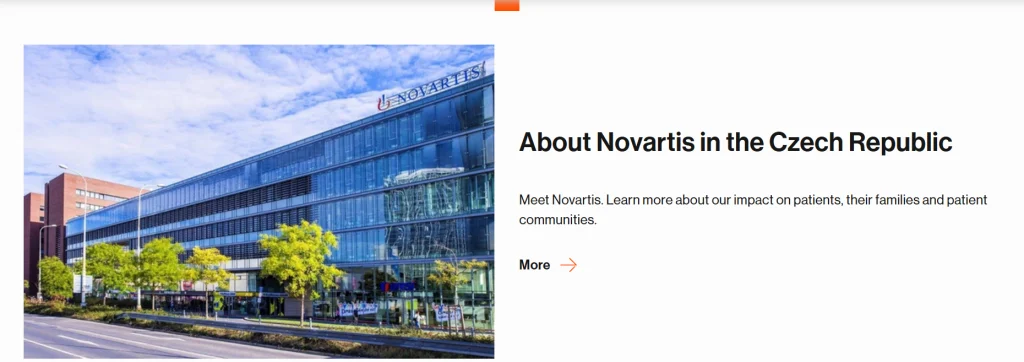
One notable example is Novartis’ partnership with the patient advocacy group, Patient Advocate Foundation. Together, they developed a comprehensive support program for patients with chronic diseases. This initiative offers personalized navigation through healthcare options and financial assistance. Another success story comes from their work in oncology. The company launched an app that provides real-time data on treatment side effects and health status. Patients can track their symptoms and communicate directly with care teams, ensuring timely interventions. In diabetes management, Novartis introduced educational workshops aimed at empowering patients. These sessions focus on self-management techniques that enhance daily living while adhering to treatment plans. These case studies highlight how Novartis blends technology, education, and support systems into its patient-centric strategy. Each instance showcases tangible benefits for both patients and providers alike.
Benefits and outcomes of a patient-centric approach for both patients and healthcare providers
A patient-centric approach transforms the relationship between patients and healthcare providers. It fosters trust, enabling open communication. When patients feel heard, they are more likely to engage actively in their treatment plans. For healthcare providers, this engagement leads to better adherence to therapies. Patients who understand their conditions and care options tend to follow recommendations more closely. This not only enhances health outcomes but also reduces hospital readmissions. Moreover, personalized care improves satisfaction rates among patients. Enhanced experiences foster loyalty and a positive reputation for the provider’s practice or institution. Ultimately, both parties benefit from streamlined processes as tailored treatments often lead to quicker recovery times. Efficient resource utilization becomes possible when treatments align with individual needs rather than one-size-fits-all solutions.
Challenges and limitations of implementing patient-centric approaches
Implementing patient-centric approaches is not without its hurdles. One significant challenge lies in the diverse needs of patients. Each individual has a unique background, culture, and set of preferences that can complicate one-size-fits-all solutions. Another limitation is the resistance to change within healthcare systems. Established practices are often deeply rooted, making it difficult for organizations to shift toward more collaborative models. Resource allocation poses additional difficulties. Transitioning to patient-centered care requires investment in training staff and updating technology—both of which demand time and financial resources that some institutions may lack. Finally, measuring success can be tricky. Patient satisfaction doesn’t always translate directly into clinical outcomes, leading to confusion about what metrics truly reflect effectiveness in a patient-centered approach. Balancing these factors remains an ongoing struggle for many healthcare providers as they strive for improvement.
Future implications and potential impact on the healthcare industry as a whole
The future of patient-centric care is poised to reshape the entire healthcare landscape. As companies like Novartis lead the charge, we can expect a shift in how treatments are developed and delivered. With technology advancing rapidly, personalized medicine will become more prevalent. Data analytics and artificial intelligence can tailor therapies to individual needs. This creates a more responsive healthcare system. Moreover, patient engagement tools will empower individuals in their treatment journeys. Greater access to information fosters shared decision-making between patients and providers. The ripple effect could redefine value-based care models too. Payers may prioritize outcomes over procedures, resulting in better resource allocation. As collaboration increases among stakeholders—patients, pharma companies, healthcare providers—the focus on holistic well-being will gain momentum. The implications for improved health outcomes are vast and encouraging.
Conclusion: The role of patient-centricity in improving overall treatment experiences and outcomes.
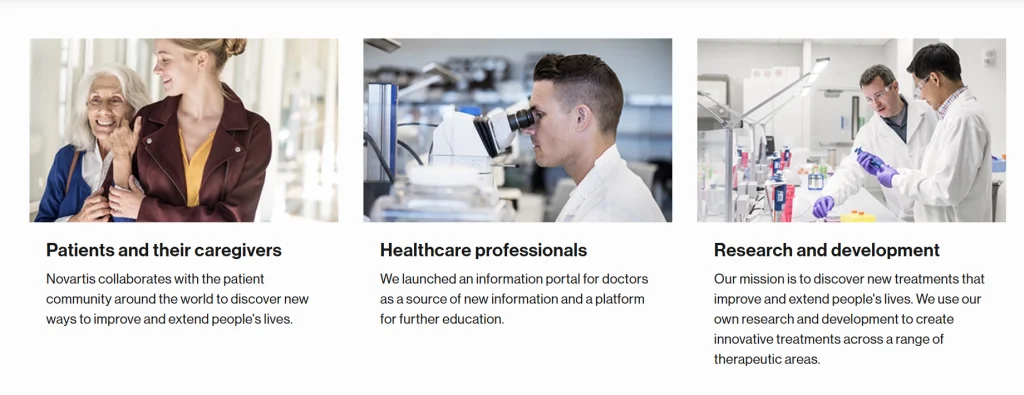
Patient-centricity is reshaping the landscape of healthcare. As seen with Novartis, prioritizing patient experiences leads to better treatment outcomes and satisfaction. This approach fosters a deeper understanding of individual needs and preferences. By integrating feedback loops and personalizing care pathways, companies like Novartis are not only enhancing adherence but also building trust. Patients feel more empowered when their voices are heard in their treatment plans. For healthcare providers, embracing this model can streamline processes and improve efficiency. It creates a partnership between patients and caregivers that benefits everyone involved. As the industry continues to evolve, patient-centered care holds promise for future innovations. The focus on personalized medicine will likely expand beyond pharmaceuticals into comprehensive health strategies. The commitment to putting patients first is crucial for driving progress in healthcare delivery. With technology advancing rapidly, there’s potential for even greater engagement moving forward. Ultimately, as organizations prioritize patient-centric approaches like those from Novartis, we may witness a significant transformation in how treatments are experienced across various sectors of health care—leading to improved outcomes for all.