Welcome to the dynamic world of innovation, where technology isn’t just a tool—it’s a revolution! In this blog post, we’re diving deep into the remarkable journey of Samsung, a name synonymous with cutting-edge advancements and relentless creativity. From its humble beginnings as a trading company in 1938 to its ascent as one of the globe’s leading tech powerhouses, Samsung has continually redefined our relationship with technology. Join us as we unpack the evolution of this giant—exploring how visionary leadership, groundbreaking products, and an unwavering commitment to innovation have propelled Samsung into the forefront of the digital age. Get ready to discover not just what makes Samsung tick but also how it shapes the future for all of us!
Introduction: Brief overview of Samsung’s history and current position in the tech industry
Samsung is a name that resonates across the globe. From smartphones to home appliances, its influence permeates every corner of modern life. But how did this South Korean conglomerate go from humble beginnings to standing tall as a titan in the tech industry? With roots tracing back to 1938 as a small trading company, Samsung has undergone an astounding transformation over the decades. Today, it’s not just a brand; it’s synonymous with innovation and cutting-edge technology. Let’s embark on a journey through time and explore how Samsung evolved into the powerhouse we know today.
The Early Days: How Samsung began as a small trading company in South Korea
Samsung’s roots trace back to 1938 when Lee Byung-chul founded a modest trading company in Su-dong, South Korea. Initially focused on exporting dried-fish and local produce, Samsung operated with just a handful of employees. During the post-war era, South Korea faced immense challenges. Yet, this environment nurtured ambition. As the nation rebuilt itself, Samsung began diversifying its business portfolio. It ventured into textiles and food processing before setting sights on electronics. By the late 1960s, Samsung took its first steps into the tech world by establishing Samsung Electronics. This pivotal decision marked the beginning of its transformation from a small trading entity to an influential player in global markets. The vision was clear: innovation would pave their path forward as they aimed for something greater than mere survival amidst burgeoning competition.
Diversification and Growth: How Samsung expanded into various industries, including electronics
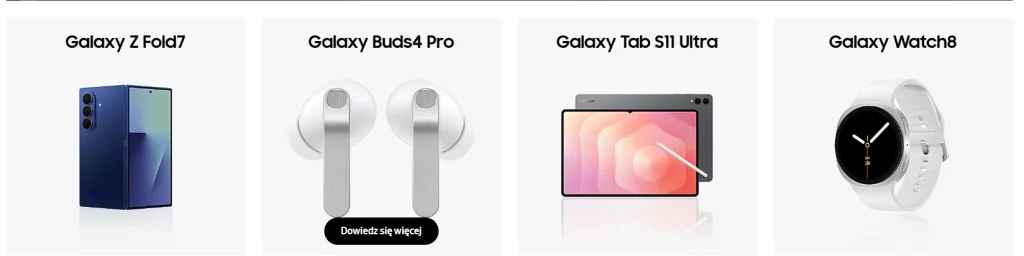
Samsung’s journey into diversification began in the late 20th century. Initially focused on trading, it quickly recognized the potential in emerging markets. The company’s entry into electronics marked a pivotal shift. By investing heavily in research and development, Samsung transformed from a humble trader to an innovator. Their foray into consumer electronics led to groundbreaking products like televisions and home appliances. This growth was not without strategic risks. Samsung ventured beyond core competencies, exploring sectors such as shipbuilding and construction. Each move was calculated, aimed at building resilience against market fluctuations. With this multifaceted approach, Samsung became synonymous with quality across industries. The brand evolved into a global powerhouse while maintaining its roots—proving adaptability is key in ever-changing landscapes of technology and commerce.
The Rise of the Galaxy: Samsung’s breakthrough with the launch of the Galaxy smartphone series
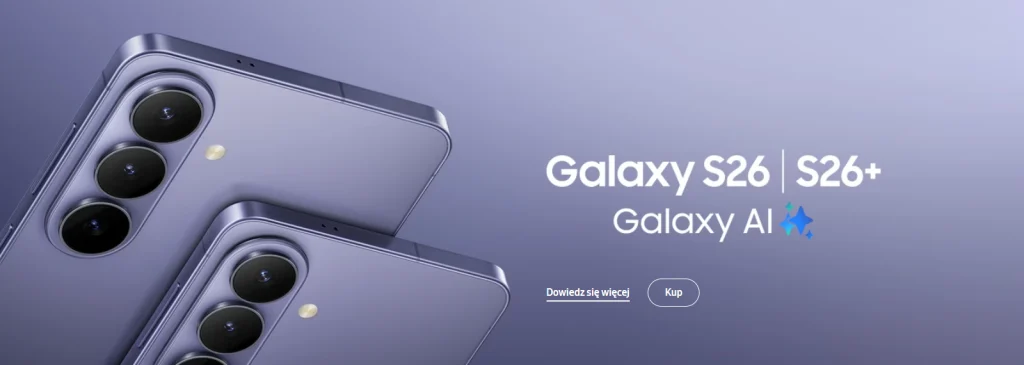
The launch of the Galaxy smartphone series marked a pivotal moment for Samsung. It transformed the company from a contender into a dominant player in mobile technology. With its first model, the Galaxy S, released in 2010, Samsung set new standards for design and functionality. The sleek touch interface captivated users worldwide. Subsequent models only escalated this momentum. Features like high-resolution cameras and vibrant displays became synonymous with the brand. Each release brought something innovative to the table—whether it was improved battery life or cutting-edge processors. Consumer loyalty surged as people recognized that Samsung consistently pushed boundaries within a competitive market. The marketing campaigns complemented these strides, showcasing lifestyle integration and advanced tech features. As rivals struggled to keep pace, Samsung solidified its position at the forefront of the smartphone revolution through creativity and strategic thinking.
Innovation at its Core: A closer look at Samsung’s approach to innovation and how it sets them apart from competitors
Samsung thrives on a culture of innovation that permeates every level of the organization. It’s not just about keeping up with trends; it’s about setting them. Their commitment to research and development is unmatched, with billions invested annually. At Samsung, teams are encouraged to think outside the box. This fosters an environment where groundbreaking ideas can flourish. The emphasis on collaboration across departments leads to unique products that resonate with consumers around the globe. The company also values consumer feedback deeply. By integrating user insights into their design processes, Samsung creates gadgets that truly meet market demands. This responsiveness distinguishes them from competitors who may overlook this critical step. Additionally, Samsung embraces cutting-edge technology early on—whether it’s in display advancements or AI integration. This willingness to adopt and adapt keeps them ahead in a rapidly evolving industry landscape.
Controversies and Challenges: Addressing some of the controversies and challenges that Samsung has faced over the years
Samsung’s journey hasn’t been without its turbulence. Over the years, a series of controversies have tested its reputation and resilience. One significant incident was the Galaxy Note 7 battery crisis in 2016. Reports of devices catching fire forced Samsung to recall millions of units, shaking consumer trust. The company had to invest heavily in safety measures and public relations efforts to regain credibility. Additionally, legal battles have plagued Samsung, particularly with Apple over patent infringements. These high-profile cases not only consumed resources but also highlighted fierce competition within the tech landscape. Labor practices have come under scrutiny as well. Investigations revealed harsh working conditions in some factories overseas. This led to calls for greater transparency and accountability in their supply chain management. While challenges persist, Samsung’s ability to adapt remains crucial in navigating these stormy waters. The brand continues striving for improvement amidst setbacks.
Global Impact: Examining Samsung’s impact on the global tech market and economy
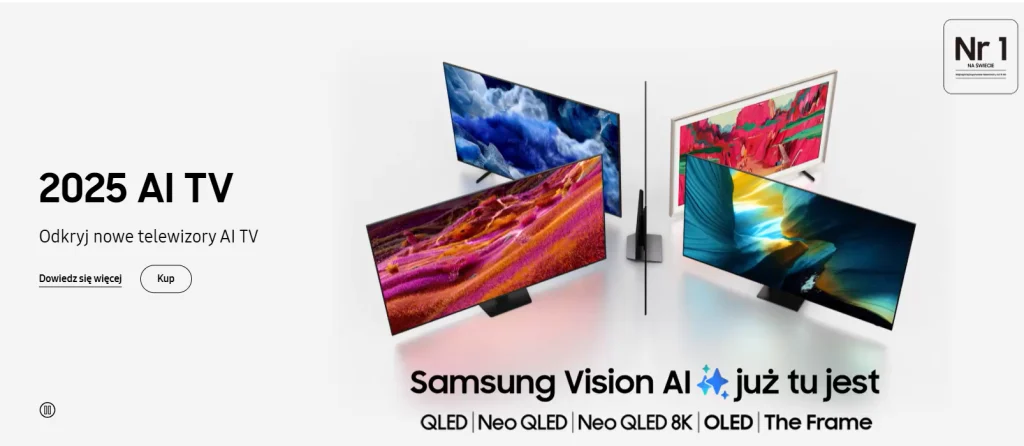
Samsung’s influence reaches far beyond South Korea. As a leader in technology, it has reshaped industries worldwide. From smartphones to semiconductors, their products set standards that others strive to meet. The company drives employment not just locally but globally too. Millions depend on Samsung for jobs across various sectors—from manufacturing to software development. This ripple effect boosts local economies while enhancing global supply chains. Moreover, Samsung invests significantly in research and development. Innovations born within its labs often fuel advancements elsewhere, pushing competitors to innovate as well. Their commitment to sustainability also plays a role in shaping industry practices around the world. By prioritizing eco-friendly technologies, they encourage other companies to follow suit. As markets evolve, so does Samsung’s strategy—adapting and responding with agility. Their ability to anticipate trends keeps them at the forefront of global tech conversations and decisions.
Future Outlook: Speculating on what lies ahead for Samsung and their role
Looking ahead, Samsung stands at a crossroads of immense opportunity and potential. The tech landscape is evolving rapidly, driven by advancements in artificial intelligence, 5G connectivity, and the Internet of Things (IoT). As these trends continue to mature, Samsung’s commitment to innovation will be crucial. We can expect Samsung to deepen its focus on sustainable technology. With global awareness about climate change growing, eco-friendly products could become a significant part of their strategy. Initiatives aimed at reducing electronic waste and enhancing energy efficiency are likely on the horizon. Moreover, as consumers demand smarter devices that seamlessly integrate into their lives, Samsung’s expertise in electronics positions it well for this shift. Whether through smart home solutions or health-related technologies like wearables, there’s plenty of ground for them to cover. The competitive landscape may evolve too. New players are emerging in various sectors including smartphones and televisions. Yet historical patterns show that Samsung has an uncanny ability to adapt and thrive amid competition. As they expand further into markets such as electric vehicles or advanced semiconductor manufacturing—areas where they already have considerable investments—their influence could grow even stronger globally. Samsung’s journey is anything but static. Each twist offers lessons learned from past successes and failures alike. With each new endeavor comes the chance not only to lead but also redefine what’s possible within technology itself.